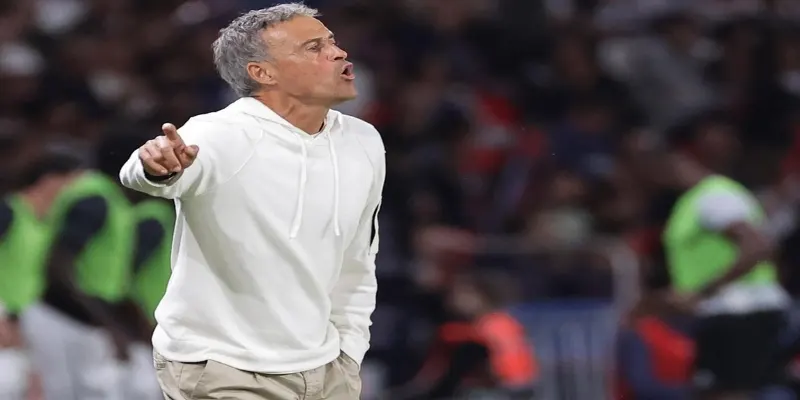
Luis Enrique: Mastermind of Modern Football Tactics
Luis Enrique is a transformative figure in modern football, blending creativity, discipline, and strategic brilliance. From his playing days to coaching elite teams, he inspires squads to excel under pressure while nurturing talent and teamwork. Fans and analysts often follow his insights on platforms like luong son, showcasing his influence on football philosophy.
Luis Enrique’s Career as a Player
As a player, Luis Enrique was renowned for his versatility, often operating as a midfielder and winger. His playing style was characterized by technical skill, creativity, and tenacity—traits that made him a fan favorite and a feared opponent. His tenure at clubs like Real Madrid, Real Sociedad, and notably Barcelona cemented his reputation as a dynamic figure capable of influencing the game from various positions on the pitch. His ability to read the game and make decisive contributions underlined his role as a leader both on and off the field.
Luis Enrique’s playing career also exemplified resilience. He faced significant setbacks, including injuries and intense competition for playing time, yet he always demonstrated a work ethic that allowed him to recover and excel. These challenges shaped his understanding of player management and the importance of mental resilience—lessons he would carry forward into his coaching career. His experience as a seasoned professional provides him with a unique perspective on the pressures faced by players, whether adaptation or recovery from setbacks.
Tactics and Philosophy of Luis Enrique
His tactical approach emphasizes adaptability, fluid formations, and high-intensity pressing. By promoting positional freedom within structured systems, Enrique enables attacking versatility and creative expression, earning top positions in tactical highlight bóng đá lương sơn tv and redefining modern coaching standards.
Luis Enrique’s strategic mindset often involves shifting formations mid-game to exploit opponents’ weaknesses, a testament to his tactical versatility. He emphasizes the importance of psychological resilience, motivating players to maintain focus and discipline during intense moments. His pragmatic yet innovative style challenges traditional, rigid tactics, favoring a dynamic, player-centric approach that has proven successful at top-tier clubs and the national team. His tactical evolution reflects his desire to keep pace with the rapidly changing landscape of global football, showcasing his ability to innovate continuously.
Luis Enrique’s Achievements with Barcelona
During his time at Barcelona as both a player and a coach, Luis Enrique experienced unparalleled success, cementing his legacy at the Catalan club. As a coach, he masterminded a period of dominance in Spanish and European football, leading the team to multiple La Liga titles, Copa del Rey victories, and a historic UEFA Champions League triumph. His tactical acumen and ability to extract maximum performance from a star-studded squad revitalized Barcelona’s playing style, emphasizing possession, attacking fluidity, and tactical flexibility.
Much of his success was driven by his innovative adaptation of Barcelona’s traditional tiki-taka style, infusing it with pragmatic elements to beat the best opponents. His leadership cultivated young talents like Lionel Messi, Neymar, and Luis Suárez, transforming them into some of the world’s most formidable attack forces. His ability to evolve the club’s playing philosophy while maintaining a competitive edge demonstrated his strategic brilliance and leadership qualities, elevating Barcelona to one of the most dominant eras in its history.
Luis Enrique and the Spanish National Team
Taking charge of the Spanish national team marked a significant chapter in Luis Enrique’s coaching career. He inherited a squad with a proud, but somewhat transitional, footballing identity. Under his guidance, Spain sought to reinvent its style—moving away from the possession-heavy approach associated with the “Golden Generation” and toward a more dynamic, attack-minded philosophy. His emphasis on youth development and tactical flexibility helped Spain reach the semifinals of the UEFA European Championship and remain competitive on the international stage.
His tenure with the Spanish national team has been marked by remarkable resilience, especially given the emotional and physical challenges he faced personally, including health issues and team setbacks. Despite these challenges, Luis Enrique managed to develop a cohesive team capable of playing innovative and engaging football. His ability to blend experienced stalwarts with emerging talents reflects his strategic vision—fostering a forward-thinking environment that balances tradition with modernity, thereby shaping Spain’s future football identity.
Challenges Faced by Luis Enrique
Throughout his illustrious coaching career, Luis Enrique has faced and overcome numerous challenges. From managing high-profile clubs under intense media scrutiny to navigating the complex dynamics of national team selection, he’s consistently demonstrated resilience and tactical ingenuity. Personal tragedies, such as the loss of his daughter, tested his mental strength, yet he persisted, channeling his emotions into becoming a more empathetic and inspiring leader. These personal and professional hardships have contributed to his reputation as a resilient figure who refuses to surrender in the face of adversity.
Furthermore, adapting to the rapidly evolving landscape of football tactics, especially with the increasing popularity of counter-pressing and positional play, posed a continuous challenge for Luis Enrique. His willingness to innovate and take risks—sometimes against conventional wisdom—has garnered both criticism and praise. His journey exemplifies the importance of mental toughness, innovation, and the willingness to learn from setbacks, qualities that have allowed him to remain at the forefront of coaching innovation.
Luis Enrique’s Impact on Modern Football
Luis Enrique’s impact on modern football is profound and multifaceted. His tactical flexibility and emphasis on high pressing and positional fluidity have influenced a new generation of coaches who aspire to adopt similar philosophies. His innovative use of formations and personalized player roles challenge traditional paradigms, promoting a more dynamic and adaptable style of play. In a sport increasingly driven by analytics and evolving strategies, Luis Enrique’s approach exemplifies the marrying of tactical discipline and creative freedom, setting benchmarks for modern coaching standards.
Beyond tactics, Luis Enrique’s influence extends to team management and player development. His focus on psychological resilience, individual empowerment, and fostering team chemistry inspire coaches to prioritize holistic development. His successes have demonstrated that embracing innovation, maintaining mental strength, and nurturing youth can lead to sustained success—principles that are becoming core to modern football culture. Consequently, his coaching legacy has shaped not only the tactical approach but also the leadership ethos of contemporary football.